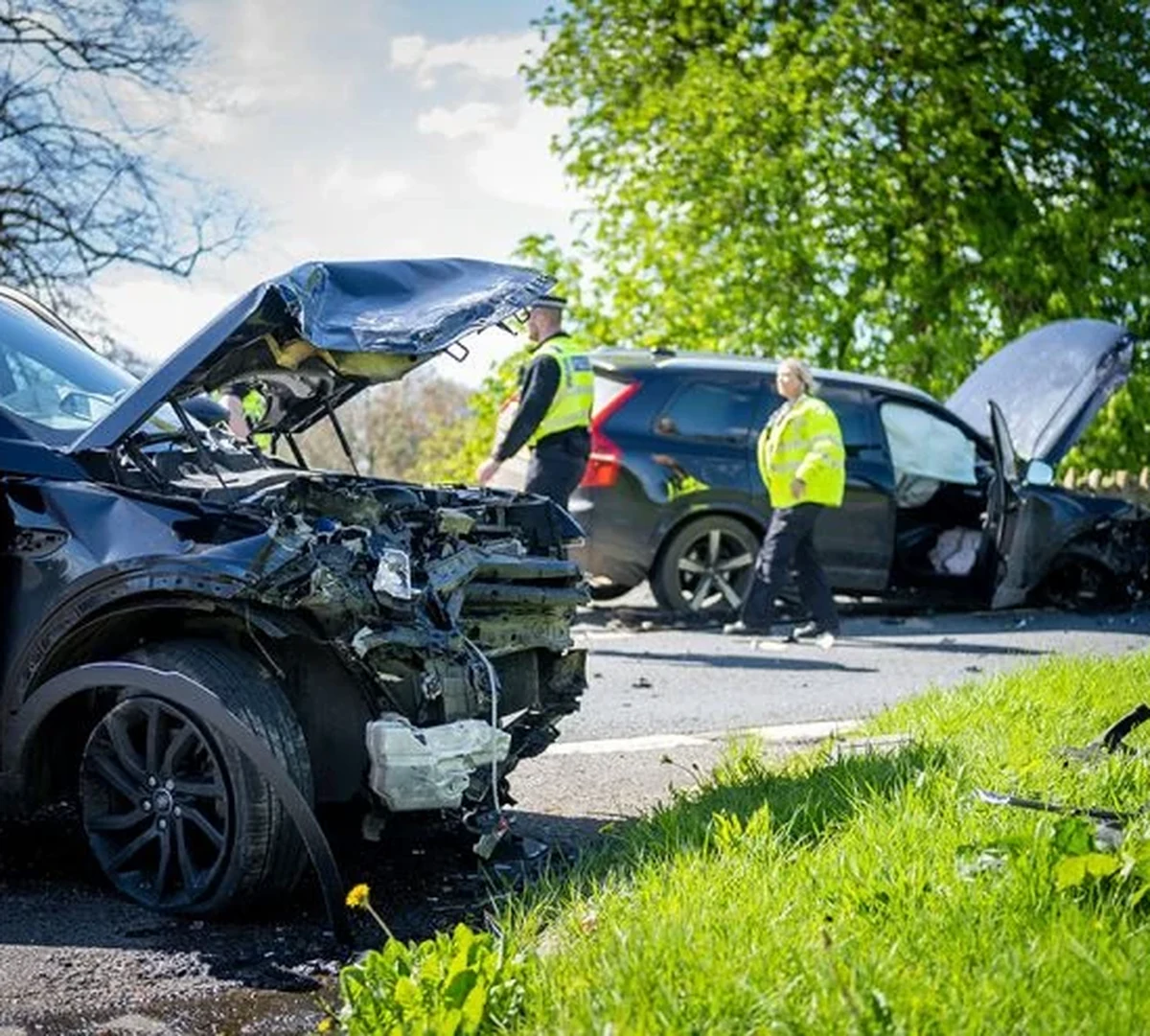
Damage assessment
Discuss inspection requirements and supporting photographs or estimates.

From initial vehicle assessment through to practical repair planning, A7 helps keep the relevant stages connected and communication clear.
Accident repairs can involve photographs, damage assessment, estimates, parts availability, vehicle movement and communication between several people. Good coordination helps everyone understand the scope of work and the next decision.
We can discuss how an assessment or repair may be arranged through an appropriate repairer, including onward transport and collection where required. Actual repair authorisation, scope, timescale and warranty terms depend on the agreed repair provider and the parties involved.
Our role is to help bring the relevant people, information and services together around your situation.
Discuss inspection requirements and supporting photographs or estimates.
Consider the proposed repair scope, approval and practical timetable.
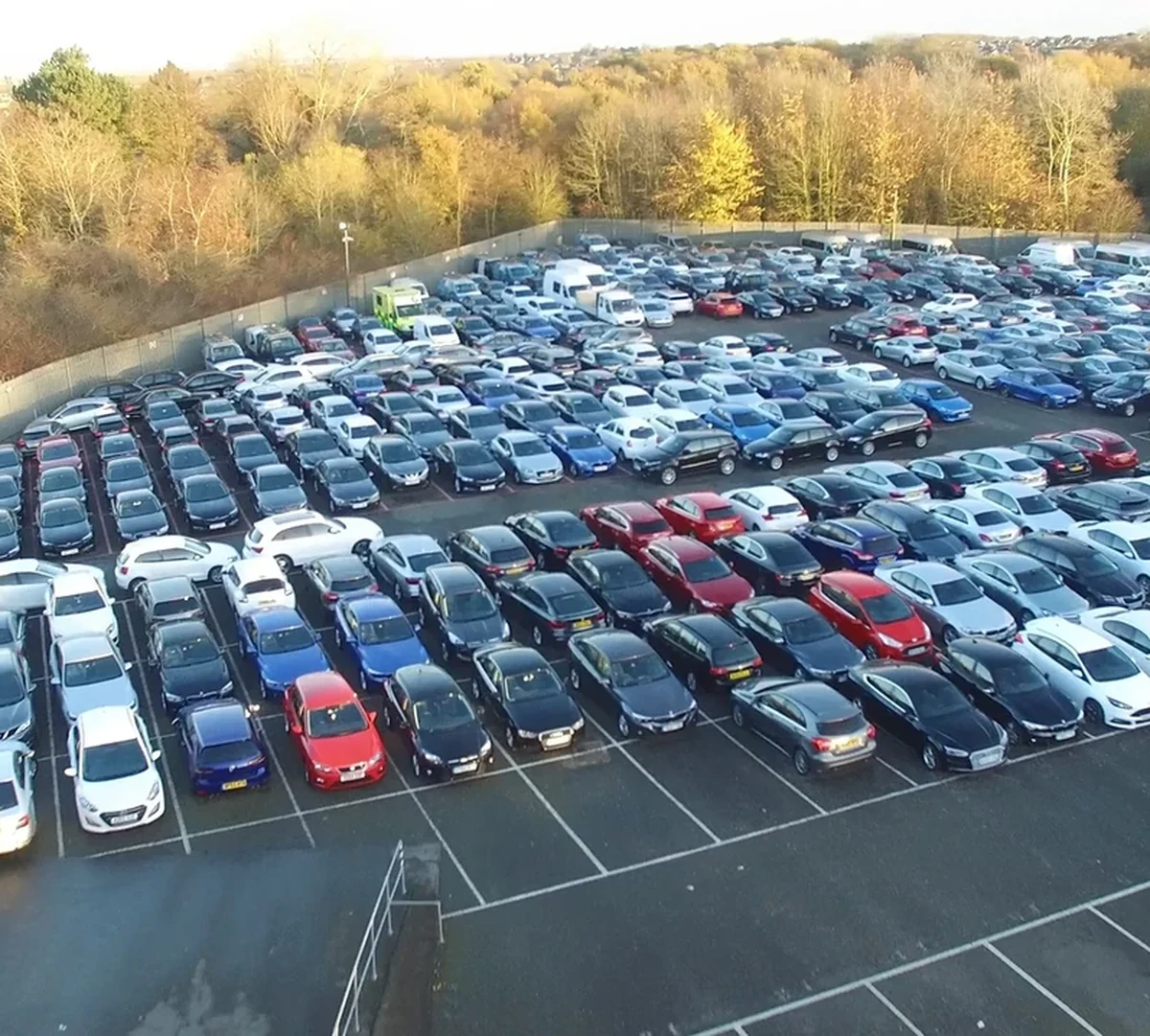
Coordinate collection, delivery or recovery requirements where appropriate.
Help keep the repair stage and next steps clear to those involved.
Gather the vehicle details and what is known about the accident.
Discuss the proposed scope, repair provider and required authorisations.
Plan movement, repairs or return arrangements in line with the agreed work.
Collision repairs involve more than booking the vehicle in. A proper plan considers the damage assessment, repairer, parts, insurer approvals, vehicle movements and the communication needed as the job progresses.
An initial visual inspection is not always the whole picture. A repairer may identify concealed damage after dismantling, requiring revised estimates or additional authorisation.
Repair methods, parts availability, paint preparation, calibration requirements and external specialist work can all affect scheduling. Clear scope and approvals help avoid unnecessary surprises.
Before handover, ask what work was completed, what checks were performed, whether any further work remains and what documents or warranty information will be provided.
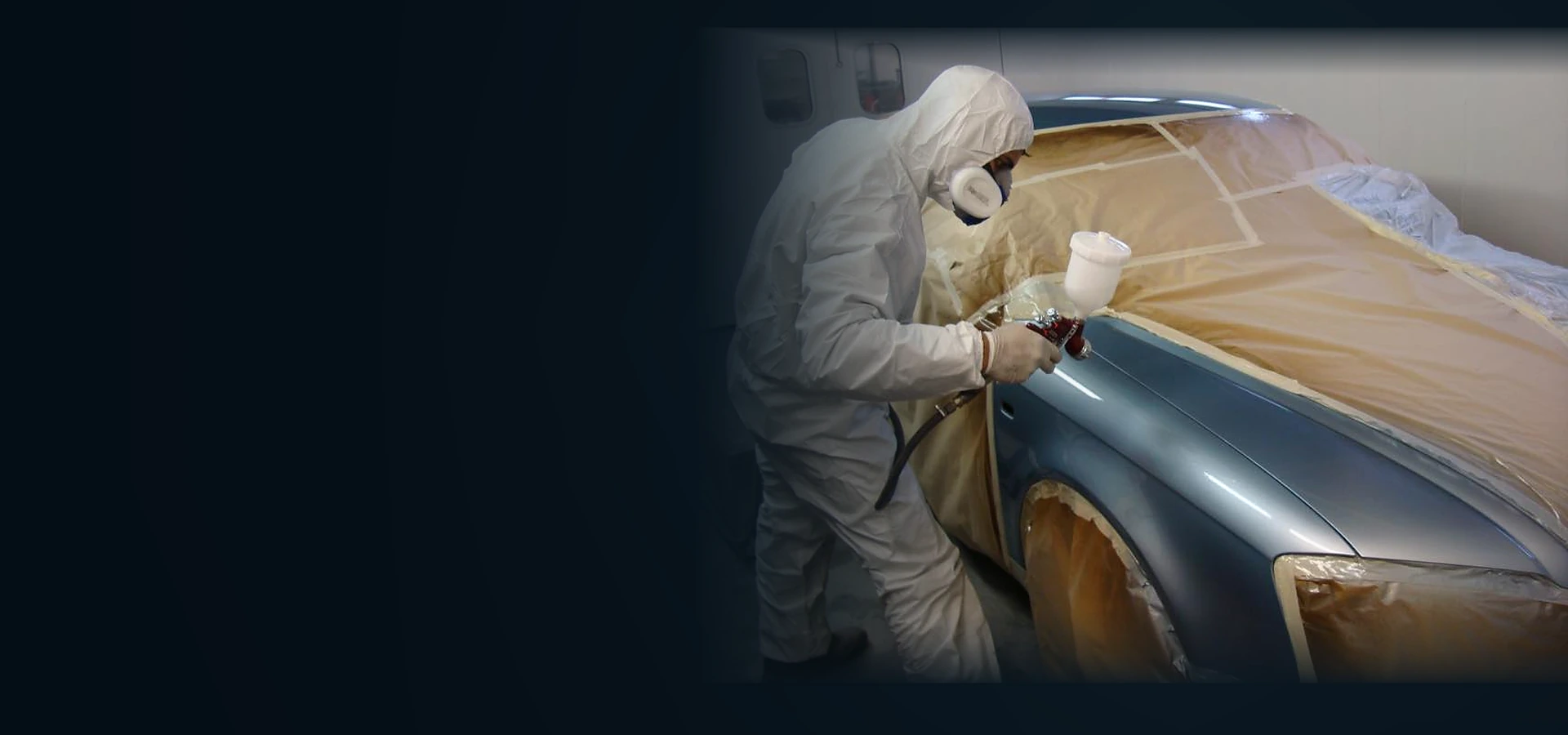
Photographs show an example of bodywork in progress. Repair dates and final scope depend on the vehicle, parts and the repairer’s confirmed instructions.
You don't need every answer immediately. These details simply help us understand the circumstances and discuss appropriate next steps.
Your options depend on your insurance policy, the claim arrangements and any relevant agreement. Ask for the proposed terms before authorising work.
It depends on damage, assessment, authorisation and parts availability. A reliable completion estimate should come from the repairer.
Any warranty should be confirmed by the actual repair provider and included in the repair documentation.
Yes. Components behind bumpers, panels or trim may need inspection after dismantling. Any additional findings should be documented and discussed before relevant work proceeds.
The repairer can advise on revised timescales and suitable alternatives where available. Approvals and technical suitability may restrict substitution of a part.
You can request an itemised summary and any available supporting documents from the repairer, including information about checks performed and warranty terms.
Contact A7 Motor Group and tell us what happened.